Module 05 - The Doric Order
Module Overview & Objectives
he Doric Order: Strength, Simplicity, and Classical Proportion
Module Overview:
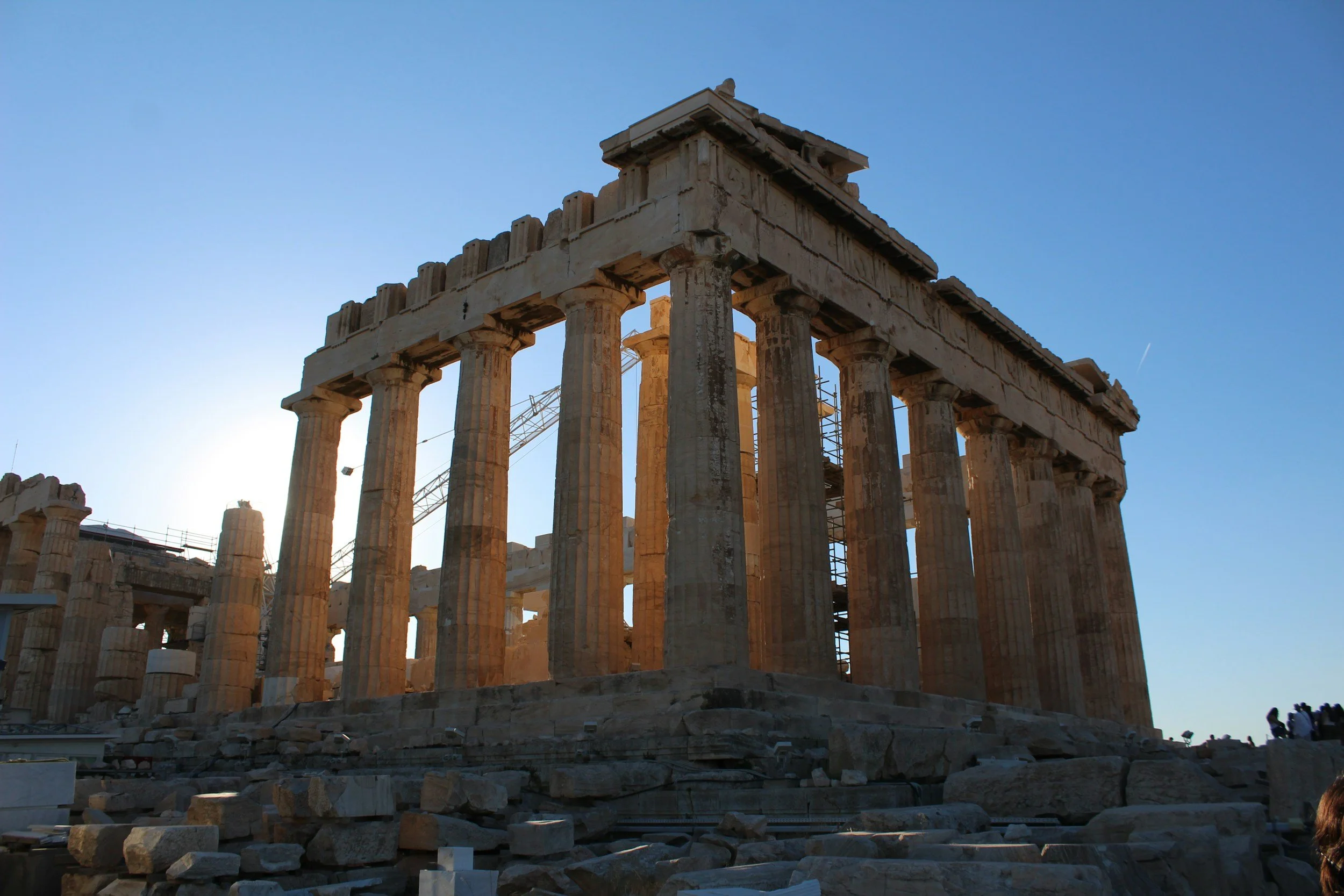
This module introduces the Doric Order, the earliest and most austere of the classical Greek architectural orders. With its fluted columns, plain capitals, and a frieze featuring triglyphs and metopes, the Doric style embodies strength, proportion, and disciplined elegance. Originating in mainland Greece in the 7th century BC, the Doric order became a hallmark of Greek temple architecture and was later adopted and adapted by the Romans. Learners will explore its formal components, regional variations, symbolic significance, and its lasting influence on architectural theory and practice from antiquity to the modern era.
Learning Objectives:
By the end of this module, learners will be able to:
Describe the historical development and geographic origins of the Doric order.
Identify the key structural and decorative features of Doric architecture, including columns, capitals, and the entablature.
Compare the Doric order with other classical orders, particularly the Ionic and Tuscan.
Analyse the aesthetic and symbolic functions of Doric architecture in ancient temples and civic buildings.
Recognise major examples of Doric architecture in ancient Greece, Rome, and in later revival movements.