Module 02 - The Importance of Proportion in Architecture
Lesson Summary
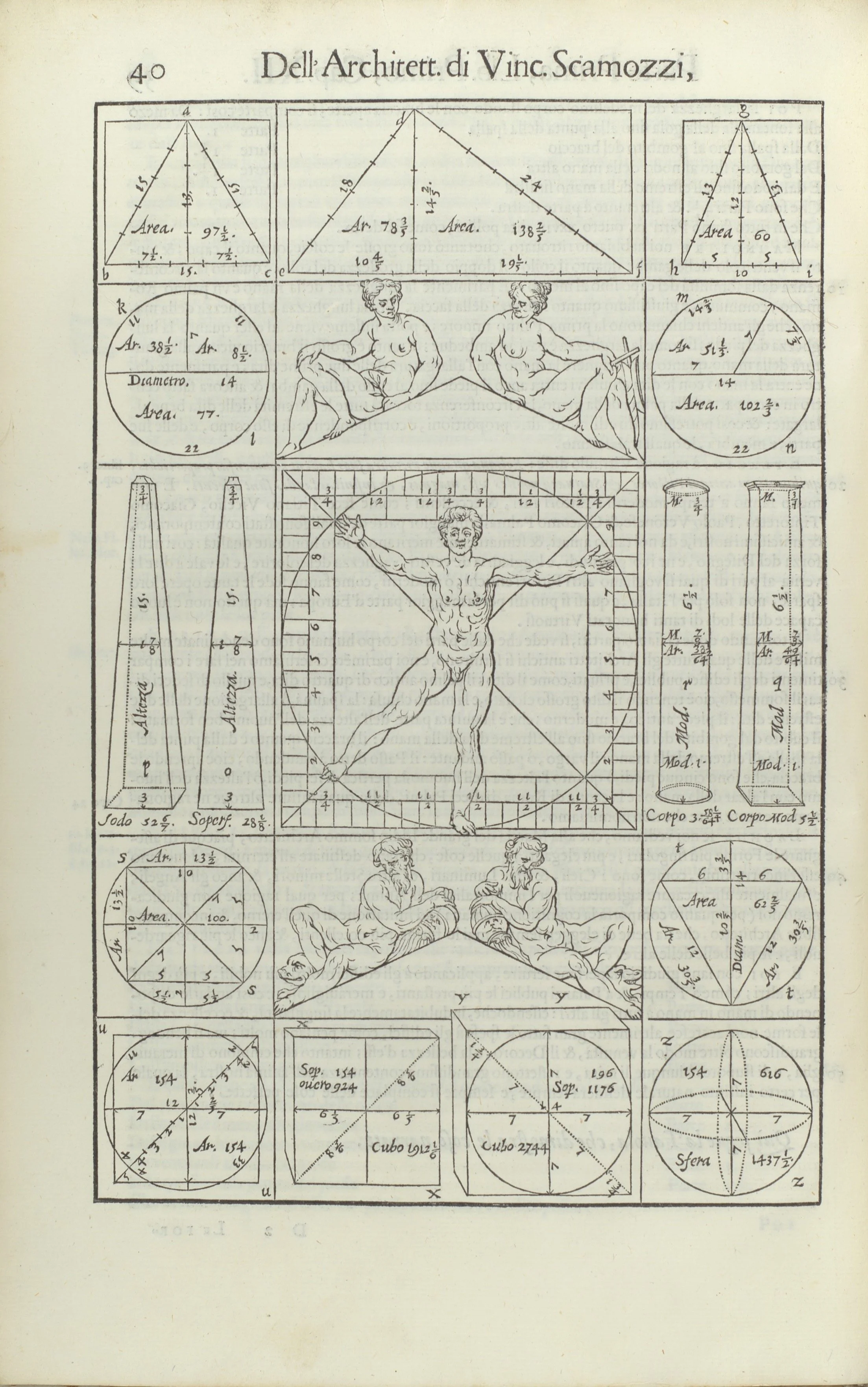
Proportion is a fundamental principle in architecture, playing a crucial role in the overall aesthetics and functionality of a building. It involves the relationship between various elements of a structure, such as the size, shape, and placement of columns, windows, doors, and decorative features. When these elements are carefully proportioned, they create a sense of harmony and balance that enhances the user experience and visual appeal of the building. Throughout history, architects have relied on the classical orders of architecture, including the Doric, Ionic, and Corinthian orders, as guidelines for achieving perfect proportions in their designs.
Proportion is not only about achieving a visually pleasing design but also about creating spaces that are functional and comfortable for their intended use. By understanding the principles of proportion, architects can ensure that a building's scale and dimensions are well-suited to the human body, creating a sense of proportion that feels natural and intuitive to the occupants. Whether designing a residential home, a commercial building, or a public space, architects must carefully consider proportion to create environments that are not only beautiful but also functional and conducive to human well-being.
In this lesson, we will delve into Proportion as a fundamental principle in architecture that influences the overall aesthetics and functionality of a building, that involves the size, relationship, and balance between different elements within a structure:
Architects consider the proportions of components like columns, windows, doors, and roof lines to create balanced and cohesive buildings.
Key element of proportion: The classical orders - Doric, Ionic, Corinthian.
One of the fundamental principles in classical architecture is the importance of proportion:
In the classical five orders - Doric, Ionic, Corinthian, Tuscan, and Composite - each order has its own set of proportions.
Emphasis on the relationships between different parts of a building for a harmonious and visually pleasing appearance.
Proper proportions in architecture not only enhance visual appeal but also affect functionality:
Proportions can affect user experience, creating comfortable and welcoming spaces.
Room proportions can impact light interaction and ease of movement.
In conclusion, proportion is a foundational principle in architecture that underpins both the artistic and functional aspects of building design. Understanding and applying the principles of proportion, especially through the classical orders, allows architects to create and the general lay person to appreciate and demand for buildings that are not just aesthetically pleasing but also serve their intended purpose effectively.